
You can grow herbs indoors year-round, and this versatile, verdant side salad recipe is the perfect way to use them. Creamy dressings are often high in calories, unhealthy fats, and sodium, making them the ruination of an otherwise healthy salad. Just 2 tbsp of ranch dressing, for example, will set you back 129 calories, 2 g saturated fat, and 270 mg sodium, per the U.S. Place all ingredients in a blender and blend on high until completely smooth, about 1 minute. If needed, add a small amount of cold water to reach desired consistency. Season with additional salt and freshly ground black pepper to taste.
Baked Pears With Honeyed Yogurt
Early civilizations recognized its value in fighting infections. Garlic may also slow down hardening of the arteries, and people use it to treat high blood pressure. Vitamin C from citrus fruit or supplements may lower the chances of catching a cold or reduce the duration of illness in people with high stress. Acute (short-term) and chronic stress can severely impact your mental and physical health.
Our Latest Recipes
But this crucial organ serves as a first-line fortress against bacteria, viruses, and other undesirables. “Vitamin A plays a major role in the production of connective tissue, a key component of skin,” explained David Katz, M.D., director of the Yale University’s Prevention Research Center. Sweet potatoes are strong immune-boosting foods because they contain vitamin A–related compounds and other nutrients. Citrus fruits, spinach, almonds, papaya, and green tea are good foods to boost the immune system. Spinach made our list not just because it’s rich in vitamin C — it’s also packed with numerous antioxidants and beta-carotene, which may both increase the infection-fighting ability of our immune systems. However, if you’re sick, the goal is to support your immune system as it fights off the infection.
Green tea
You can even grow microgreens in a planter in your kitchen all year round. You don’t realize how hard your immune system is working until you come down with something that your body may have never dealt with before. So it’s even more important for those populations to support their immune systems with a https://www.escoffier.edu/blog/world-food-drink/what-is-a-holistic-diet/ balanced diet. You already know that vitamin D is important for your bones, since it helps you absorb calcium properly—but it’s also essential for a healthy immune system.
Ginger
Many foods are rich in zinc, but few are as convenient as nuts. Nuts, like cashews, almonds, and pine nuts, are excellent sources of zinc. You can enjoy poultry meats grilled, smoked, or roasted, and you can pair them with a variety of fresh, whole foods to maximize their immune system unimeal reviews consumer reports benefits. You may chop grilled chicken and mix it with various veggies for a delicious protein-packed salad. Fatty fish, such as salmon and mackerel, are rich in vitamin D.
Sweet potatoes
Rather than chasing wellness trends or pinning hopes on expensive supplements, this collection takes a refreshingly grounded approach. Think gut health, immune support, mood, respiratory health and heart health, all tackled through ingredients that are affordable, accessible and already hiding in plain sight. In Indonesia, where jamu juice was popularized, it’s beloved for its purported anti-inflammatory, antioxidant, and immune-boosting benefits. Some of the powerhouse ingredients within include lemons, ginger, and turmeric (curcumin), which provide anti-inflammatory, antiviral, and antioxidant properties, past research notes. The black pepper increases the amount of curcumin your body can absorb, according to past research. Carotenoids, the plant-based pigments that make carrots orange, could also be the reason they excel at fending off illness, according to the National Institutes of Health (NIH).
- Garlic, for example, has an antimicrobial compound that may help combat viruses and bacteria, research shows.
- Gingerol, the main compound found in fresh ginger, is primarily responsible for its status of superfood.
- Luckily for us, berries come in all shapes, sizes, and flavors.
- In a small bowl, combine the brown sugar, paprika, salt, pepper, chili powder, onion powder, garlic powder, and cayenne pepper.
- In response, the immune system releases fighter cells, triggering inflammation throughout the body, he explains.
- Some foods may boost your immune system, while others may help with their antimicrobial properties.
Vitamins & Minerals to Boost Immunity
Researchers have also found probiotics—live microorganisms found in supplements and fermented foods—may help with diarrhea and respiratory infections. Just as animal companions can boost immunity, regular contact with friends, loved ones, family, and acquaintances can. Positive social experiences and real-life social contact can help ease chronic inflammation, the body’s natural immune response.
Key Philosophy I: Fluid Progress, Like Water
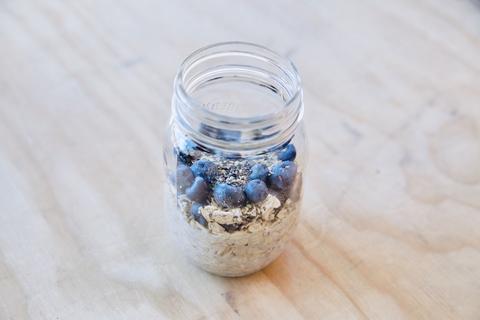
Another easy-to-digest carbohydrate, baked potatoes (whether white or sweet) are another great base for an under-the-weather meal. “Oatmeal is my ultimate comfort food when I don’t feel well,” says Taub-Dix. Rest is crucial to boost your immune system when sick because it allows your body to focus energy on fighting infection. Adequate sleep supports immune cell production and reduces inflammation, helping you recover faster and feel better sooner.
Citrus Salad
By chopping or shredding brassica vegetables like cabbage, you activate the production of a plant compound called sulforaphane. This plant compound provides protection against inflammatory reactions and has been shown to be useful for auto-immune conditions like rheumatoid arthritis. Oats may not be the first food you think about when it comes to supporting immunity, but perhaps they should be. They contain a type of fibre called beta-glucan which acts as an immune activator helping maintain the long-term responsiveness of our innate immunity, the first line of defence of our immune system. Heat the olive oil in a large non-stick pan over medium heat.
Chicken breast
All of that is well and good, but not everyone loves to mow down on these fishy, oceany greens. Luckily, there are all different types of seaweed, ranging in flavor, use, and texture. Look for inspiration in Japanese and Korean cuisines that use seaweed regularly. Like yogurt, kefir, a fermented yogurt drink, contains gut- and immune-boosting probiotics. Similar to broccoli, spinach is healthiest when cooked as little as possible so that it retains its nutrients. However, light cooking makes it easier to absorb the vitamin A and allows other nutrients to be released from oxalic acid, an antinutrient.
She recommends adding pork as a zinc source in a balanced diet, be it a grilled pork chop or tenderloin. A small handful of nuts is an easy snack and can improve the nutrient quality of meals. Nuts also add texture and flavor, helping healthy dishes feel satisfying. For best results, choose unsalted or lightly salted options. Eating a variety of vegetables may help boost your immune system.
Maintaining healthy lifestyle habits like stress reduction plus avoiding harmful substances strengthens resilience further during vulnerable periods. Understanding how each factor affects immunity empowers you to take control instead of passively enduring illness. While food should be the primary source of nutrients, certain supplements can provide an extra boost during illness. It’s important to consult a healthcare provider before starting any supplements to avoid interactions or overdosing. Lack of sleep weakens immunity by reducing infection-fighting cells’ effectiveness.